A partnership of northern regional and unitary councils is showing how coordinated regional action can slow the spread of marine pests before they become costly, permanent residents in Aotearoa New Zealand’s coastal waters.
Hidden hitchhikers in a connected ocean
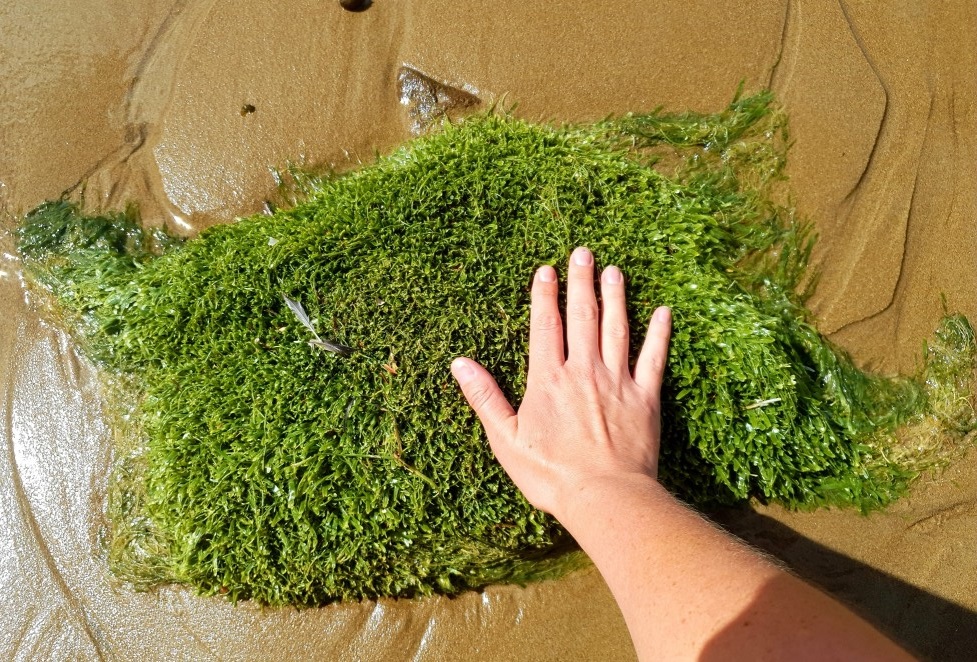
Marine pests are non-native species like exotic caulerpa seaweed that cause huge problems in our oceans by outcompeting native marine life, altering habitats, and affecting fisheries, aquaculture and recreation. Once established in a new area, they are extremely difficult and expensive to remove, which means that prevention is the most effective management strategy.
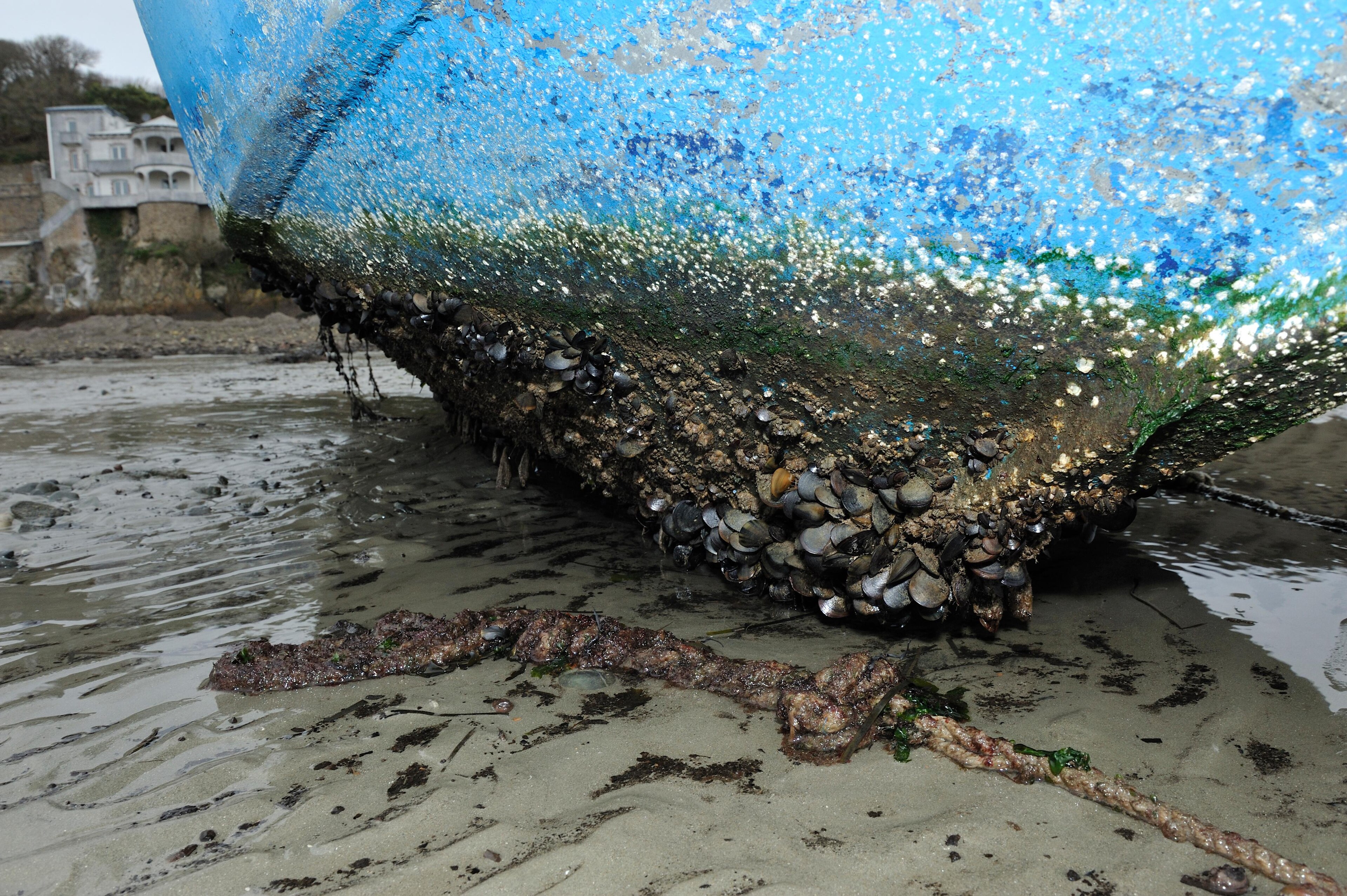
In the upper North Island, the risk from marine pests is particularly high. This region hosts some of the country’s busiest ports, marinas and boating routes, meaning vessels frequently move between harbours and across regional boundaries. Biofouling (the problematic accumulation of marine life) on hulls, anchors and equipment is one of the main pathways by which pests spread around the country.
Regional and unitary councils in the upper North Island identified the need for collaborative action against marine pests and formed the Top of the North Marine Biosecurity Partnership with support from Biosecurity New Zealand and the Department of Conservation.
-
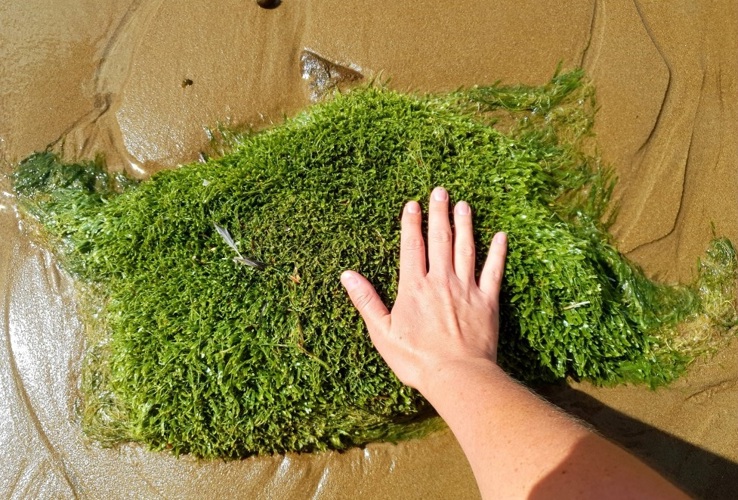
Exotic caulerpa seaweed is a marine pest in Aotearoa NZ. Image: Auckland Council
-
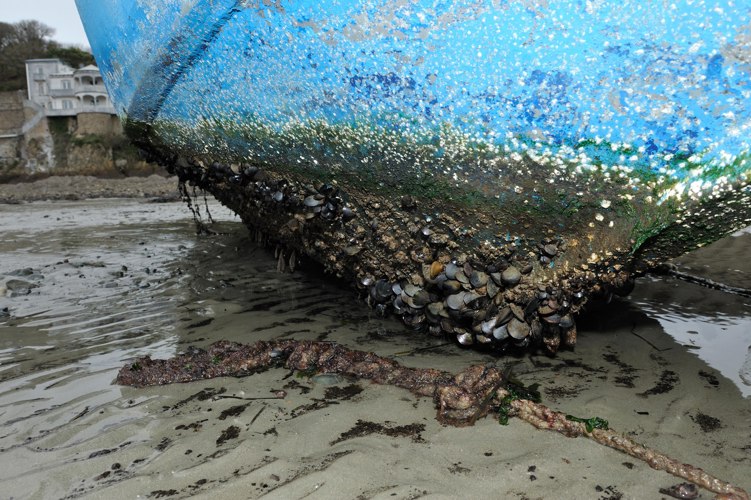
An example of biofouling on a boat hull. Image: O. Dugornay.
-
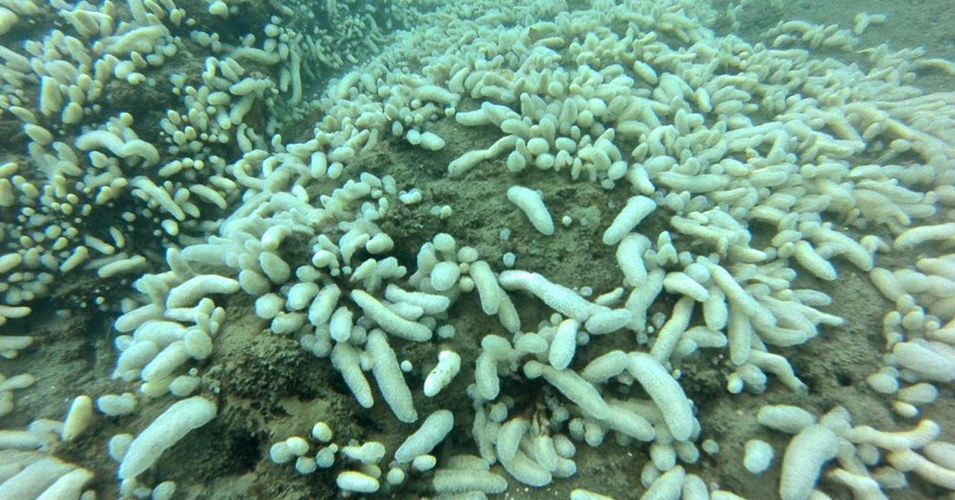
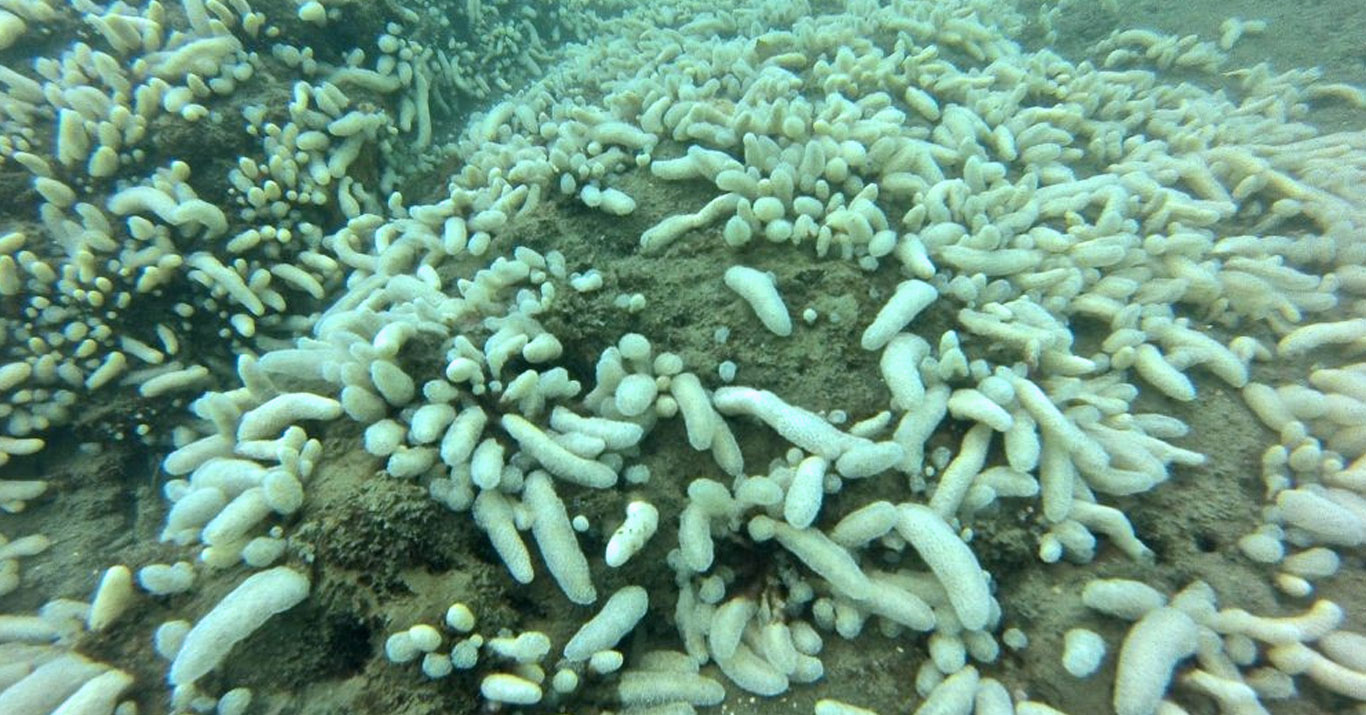
Australian droplet tunicate is a marine pest in Aotearoa NZ. Image: boaties.co.nz
-
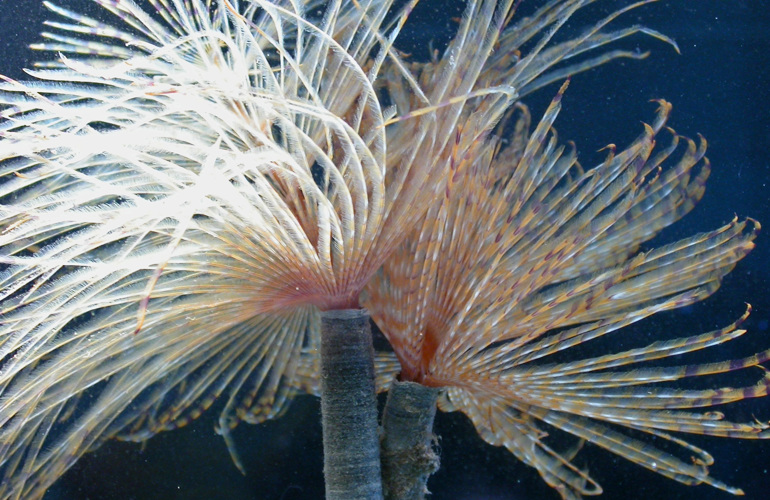
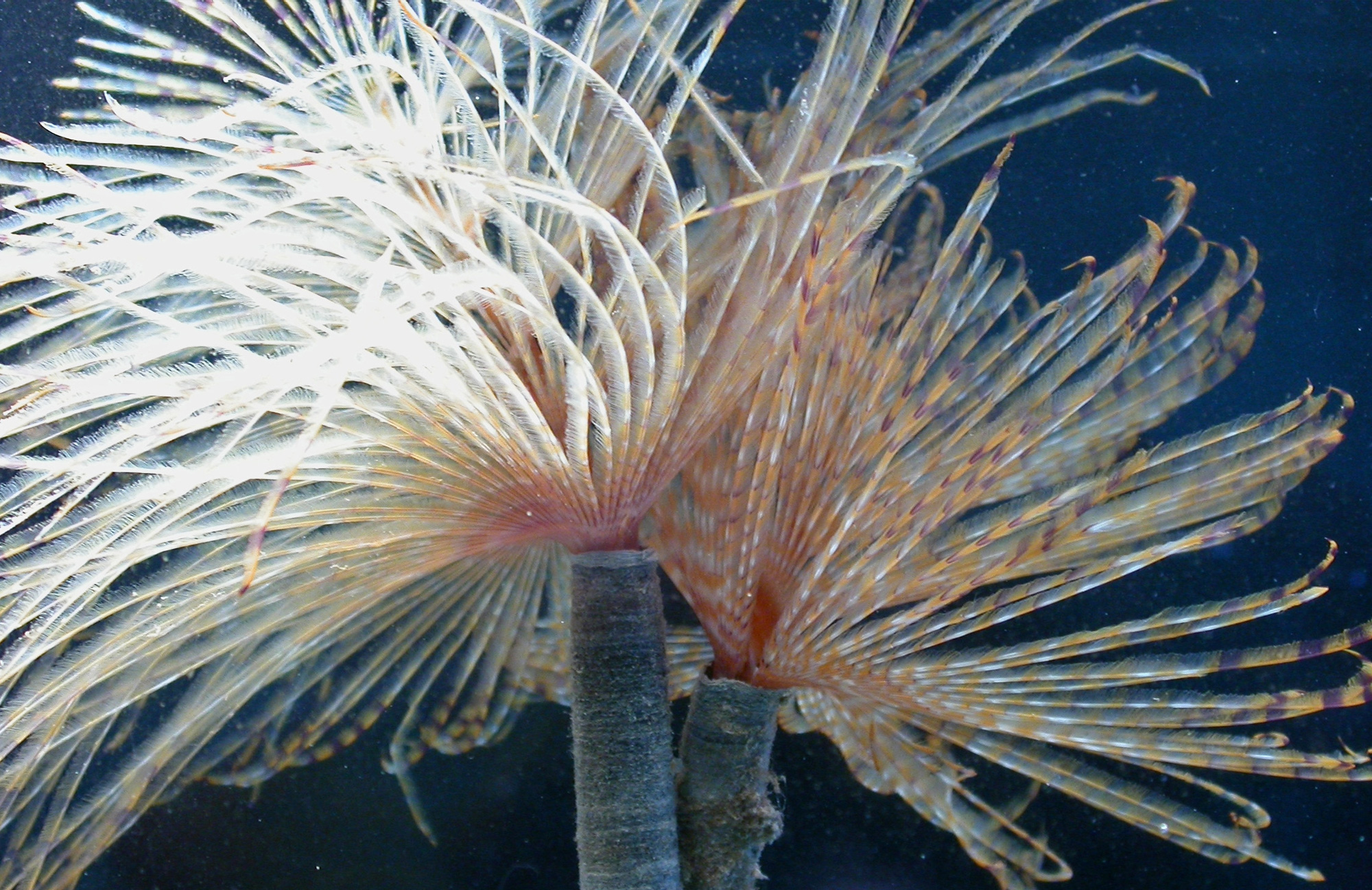
Mediterranean fanworm is a marine pest in Aotearoa NZ. Image: S. Wilkens.
Regional delivery in action
The Top of the North Marine Biosecurity Partnership includes regional or unitary council representation from Northland, Auckland, Waikato, Bay of Plenty, Gisborne and Hawke’s Bay. A key shared initiative of the partnership is the public-facing platform www.marinepests.nz, which provides consistent guidance for boaties on identifying pests, managing hull fouling, locating haul-out facilities, and understanding regional rules. This helps create a single, recognisable message across multiple jurisdictions, reducing confusion for vessel owners who travel between regions.
Councils also use their statutory powers under Regional Pest Management Plans and pathway rules to monitor vessels, enforce requirements, and support access to facilities that help keep hulls clean. Surveillance programmes, harbour inspections, and diver surveys provide early detection, allowing councils to confirm pest absence or respond quickly if new species appear.
Importantly, regional delivery enables consistency. Councils have worked toward aligned biofouling expectations and communication campaigns such as “Clean Below? Good to Go”, reinforcing the simple behaviour change needed to reduce spread: check, clean and maintain vessels before moving between locations.
This coordinated approach benefits council biosecurity teams, boaties and the public through aligned rules, clear messaging, accessible facilities and ultimately, reduced threat from marine pests.
The right tools for the job
An important, collaborative tool for the protection of Aotearoa NZ from invasive marine pests is the Marine Vessel Portal. This national, integrated system supports the biosecurity and vessel management goals of council teams, boat owners, and marina operators through a combination of mobile apps, desktop tools, and public-facing interfaces.
The Marine Vessel Portal allows council staff to conduct vessel inspections in the field, analyse vessel movement patterns, generate reports, and coordinate biosecurity responses across regions. The portal also includes specialised modules for responding to pest incursions such as Caulerpa, enhancing rapid and informed decision‑making during marine biosecurity events.
For boat owners, the portal offers a simple way to register and claim their vessel, view inspection histories, and stay informed about regional biosecurity requirements. Marinas and operators can log vessel entries; improving visibility of boat movements and supporting cross‑regional collaboration.
The platform’s shared mapping interface highlights the regions working together to prevent marine pest spread, reflecting their coordinated approach to safeguarding marine environments. The Marine Vessel Portal serves as a comprehensive and practical system that strengthens marine biosecurity efforts through data, accessibility, and collaboration.
Strengthening prevention at scale
As vessel movements increase and new threats emerge, marine biosecurity in Aotearoa New Zealand will continue to rely on strong regional coordination. Consistent rules, shared data, and joint public messaging are likely to become even more important in managing risks that cross harbour and regional boundaries. This is reflected by the recent expansion of the Clean Below, Good to Go campaign to The Top of the South Marine Biosecurity Partnership - looping in Tasman, Nelson, Marlborough and Wellington councils.
By combining regulatory tools, surveillance capability and practical guidance for ocean users, regional and unitary councils are helping protect marine ecosystems and the people that depend on them.
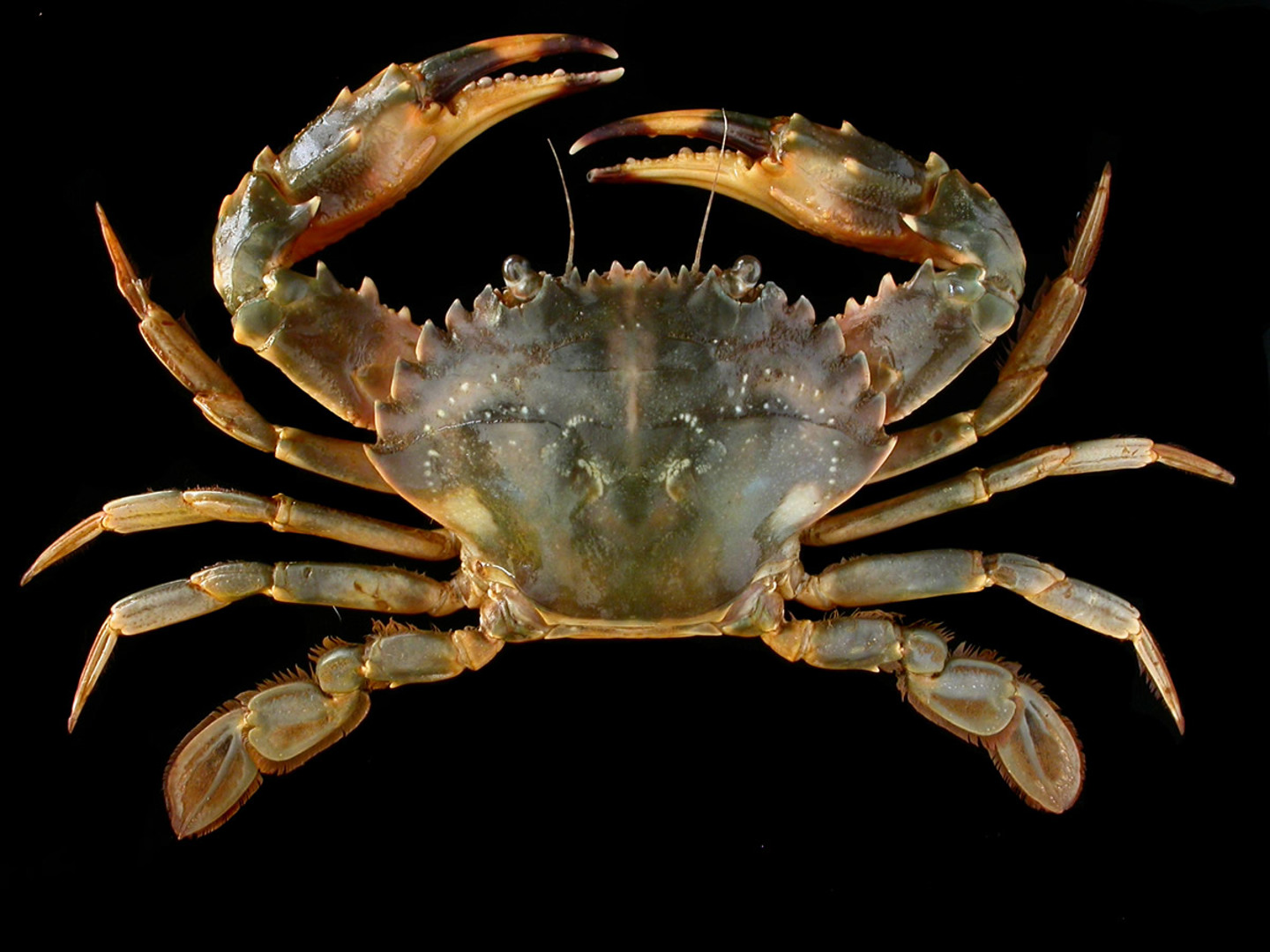
Asian paddle crabs are a marine pest in Aotearoa NZ. Image: NIWA