Do you keep, breed, or sell exotic pets? Then we want to hear from you!
The collective of regional and unitary councils is inviting the exotic pet community across New Zealand to share your views and expertise to help shape practical, workable biosecurity safeguards.
Click here to complete our survey
A growing challenge
Although most owners take excellent care of their animals, Aotearoa New Zealand is seeing increasing numbers of non-native species escape, or be released, from life as a pet. Wild populations of sulphur-crested cockatoos, pink galahs, eastern rosellas, red-eared slider turtles, koi carp and goldfish are already established in many regions with a real chance of these species spreading and others joining them.
Research from the University of Auckland found that, on average, nearly 500 pet birds (mostly parrots) were reported missing every month in New Zealand from just two lost-and-found websites. The true scale is likely much larger.
Exotic species can threaten our native wildlife, environment, and economy. Exotic parrots can compete with native birds and spread disease. Turtles, koi carp and goldfish stir up river sediment, consume freshwater animals and compete with threatened native fish. If pet species become widespread, they can affect agricultural, horticultural, forestry, aquaculture, and fishing industries, and change the recreational environments we enjoy. Many exotic pet species are long-lived, meaning their impact may not become apparent for decades.
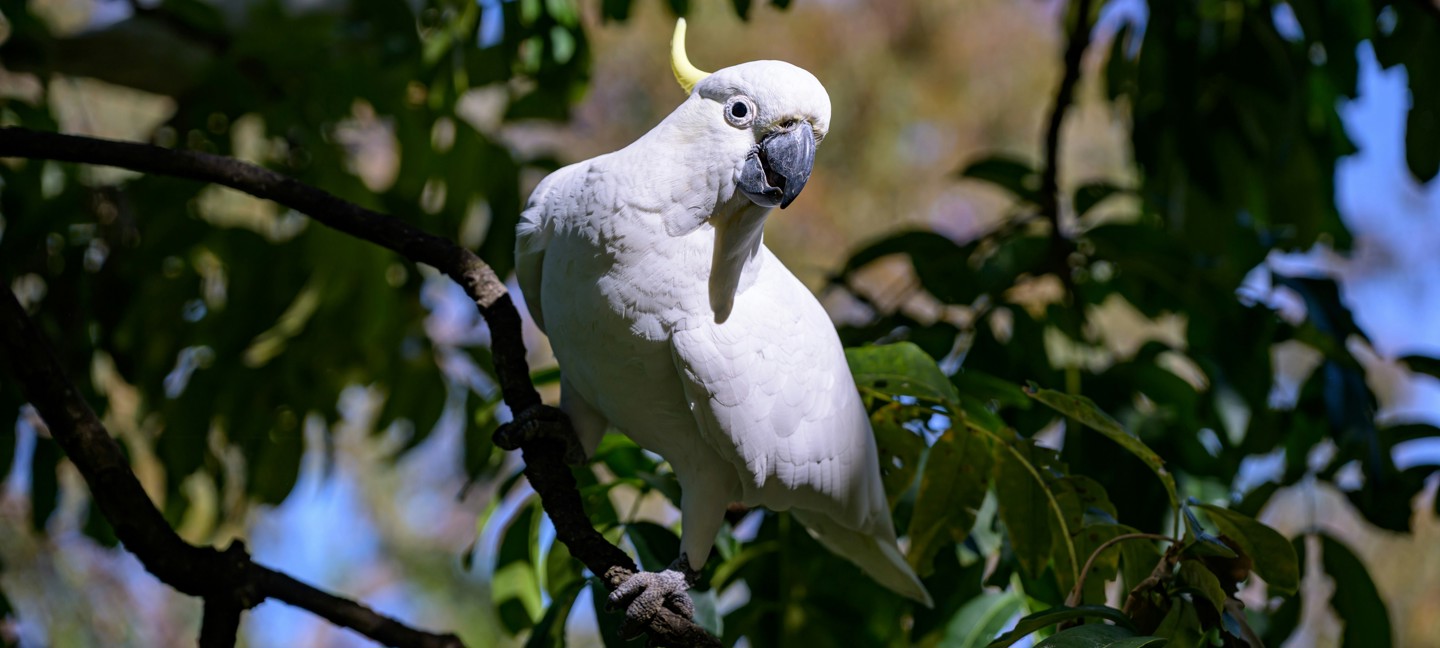
Sulphur-crested cockatoos have established in Aotearoa New Zealand from pet escapes or releases. Image: Andy Luo.
Prevention is better than cure
Once an exotic species establishes in the wild in Aotearoa New Zealand, the management options become limited and costly, as the long experience with koi carp, possums and other pest species has shown. Large-scale control programmes are difficult to undertake, expensive to run, and often yield unsatisfactory and unpleasant results.
Nobody wants to see more species having to be the target of pest control programmes. But the good news is that for most exotic pet species, we are not there yet. Wild populations of exotic pet species are limited, and with the right safeguards in place, we can keep it that way. Prevention is not just better for our communities, economy, and environment; it is better for the animals themselves.
Your knowledge matters
There are currently no consistent national rules to minimise the chance of pets becoming pests. We have begun work to understand community perspectives, the scale and nature of the trade, the contribution of our economy, the species involved, and what practical approaches might work for everyone. Future stages will explore options to minimise biosecurity risk while allowing people with existing exotic pets to continue caring for them responsibly.
You know your animals, your industry, and your community better than anyone. Your community includes many passionate, knowledgeable people who take exceptional care of the species they keep, and in some cases actively contribute to conservation efforts for globally threatened species. That expertise is exactly what is needed to help shape pragmatic, fair rules that work in practice.
If you keep, breed, or sell exotic pets, we genuinely value your input. Now is the time to make your voice heard:
Click here to complete the survey