Preparing for Avian Influenza
Avian influenza, or bird flu, is a highly contagious viral disease that mainly affects birds but can also spread to mammals - including people. Local government is supporting national preparations for the inevitable arrival of this disease in Aotearoa New Zealand.
An incoming threat
Aotearoa New Zealand is on alert for the arrival of a new type of bird flu called high pathogenicity avian influenza (HPAI), which can cause severe symptoms and high death rates in birds. There are several strains including H5, H7, and H9 that are present in many countries across the globe.
There is significant concern about a recent strain of HPAI called H5N1. The H5N1 strain can cause mortality in many different birds, including poultry (e.g. chickens and turkeys), waterfowl (e.g. ducks, geese and swans), shorebirds (e.g. godwits, stilts and plovers) and seabirds (e.g. gannets, gulls and terns) and has also infected more than 60 different mammalian species worldwide.
Aotearoa New Zealand, Australia and the Pacific Islands are currently free of H5N1, but it is considered likely that it will eventually arrive via wild migratory birds. The H5N1 strain presents a threat to wild and captive bird populations across Aotearoa New Zealand, and once it arrives, it is here for good.
Councils preparing for bird flu
Local government is working alongside the Ministry for Primary Industries in preparation for the arrival of H5N1. It is critical to prepare for arrival of the virus and understand what a new normal with bird flu will look like. Within local government, regional and unitary councils are facilitating planning activities across the country and amplifying national communications. Unitary councils and territorial local authorities are responsible for ensuring public safety by managing outbreaks in public areas they manage.
Local government teams provide a crucial role in connecting national direction to regional action. The operational expertise and collaborative nature of these teams mean that consistent levels of preparation can be achieved across the whole country. Although H5N1 bird flu is a daunting prospect, local government is putting the work in now to minimise the impact on human health.
More about Avian Influenza from the Ministry for Primary Industries
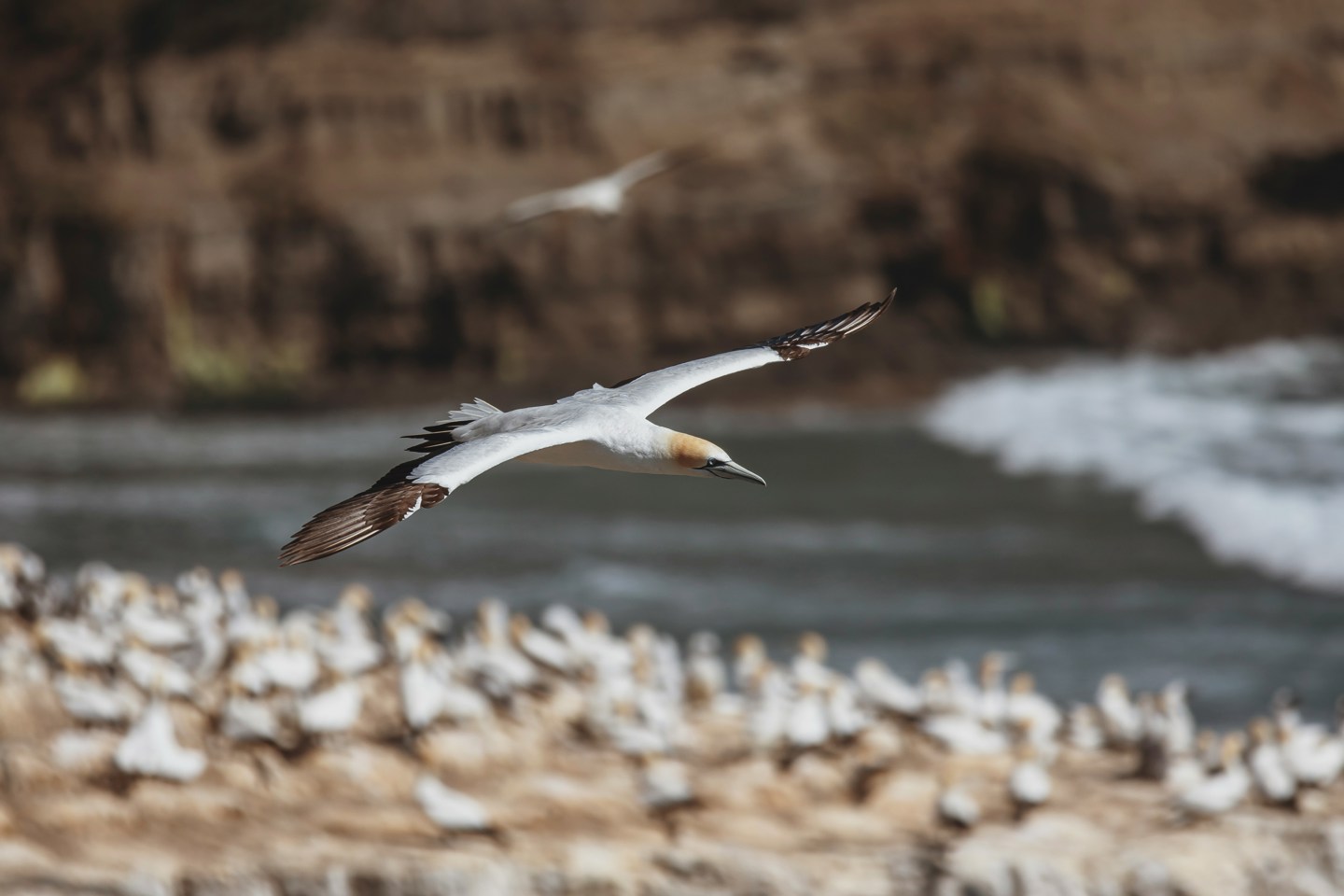
Gannets are at risk from the H5N1 strain of Avian Influenza - Bird Flu. Image: Phil Botha