Biosecurity is a core function of regional and unitary councils in Aotearoa New Zealand, helping to protect our environment, primary industries and communities from harmful pests, weeds and diseases.
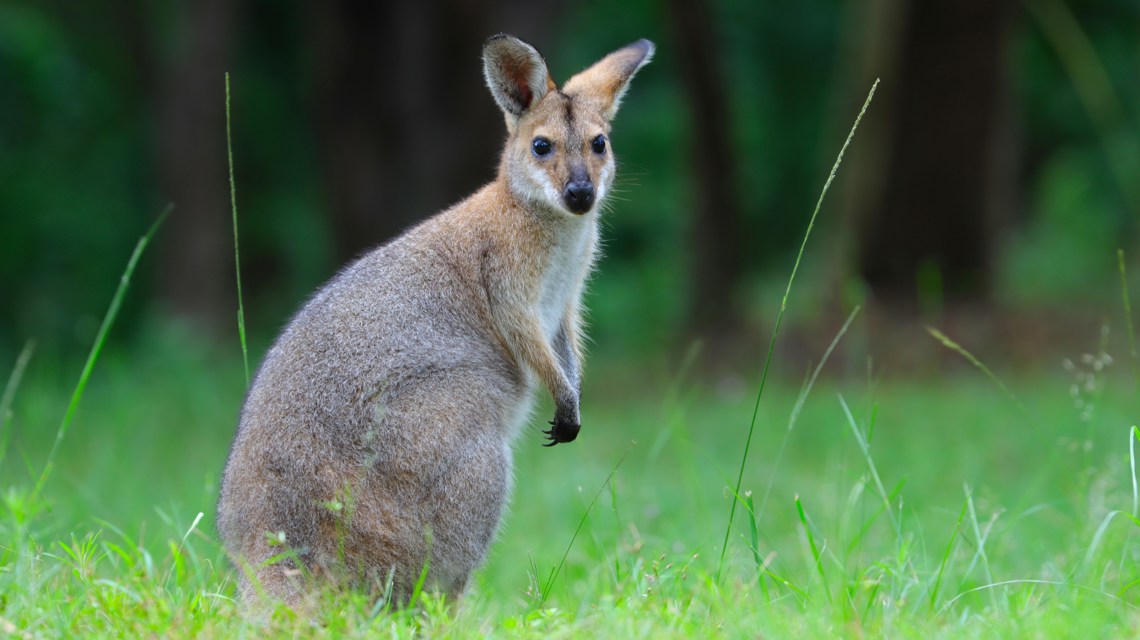
Our biosecurity efforts tackle challenges from avian influenza to wilding pines, wallabies and koi carp. We cover many different ecosystems, landscapes and situations, and work with many valued partners from iwi, community groups, businesses, government agencies and more.
We work hard to provide an essential line of defence that delivers better outcomes for nature, the economy and people.
Large scale problems require large scale solutions
Pests and diseases do not respect council boundaries, so a lot of biosecurity work require coordinated action across large areas.
To meet this challenge, regional and unitary councils lead on-the-ground biosecurity prevention, surveillance and control programmes across whole catchments and landscapes. We work collectively to share expertise, develop consistent approaches and strengthen the regional sector’s role within the national biosecurity system.
Our collaborative approach supports early detection of emerging risks, coordinated responses to incursions, and more effective long-term management of established pests.
From plans to partnerships
Regional and unitary councils develop and implement Regional Pest Management Plans that set clear objectives and rules for managing priority animal pests, plant pests and unwanted organisms. These plans are shaped through public consultation and provide the framework for coordinated action across large landscapes.
Our councils work alongside partners from iwi, land care and community groups, central government agencies and others to deliver the work set out by Regional Pest Management Plans. Councils provide tools and funding support, and exchange knowledge through education and compliance programmes.
Councils act like the glue for biosecurity in Aotearoa New Zealand. Their coordination, collaboration and operations work ensures efforts are aligned, resources are used efficiently, and biosecurity outcomes are sustained over the long term.
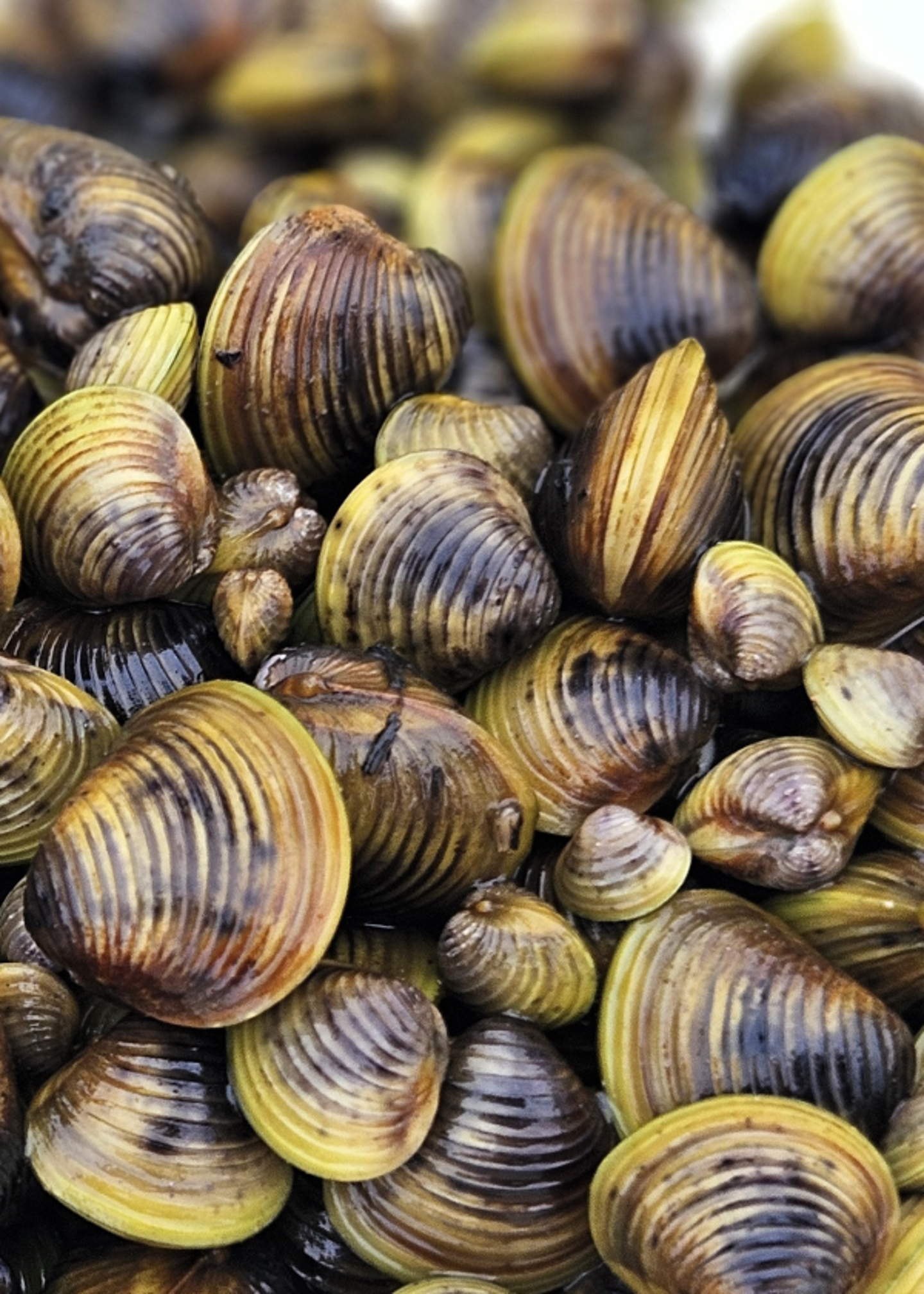
Invasive golden clams. Image: Michele Melchoir.
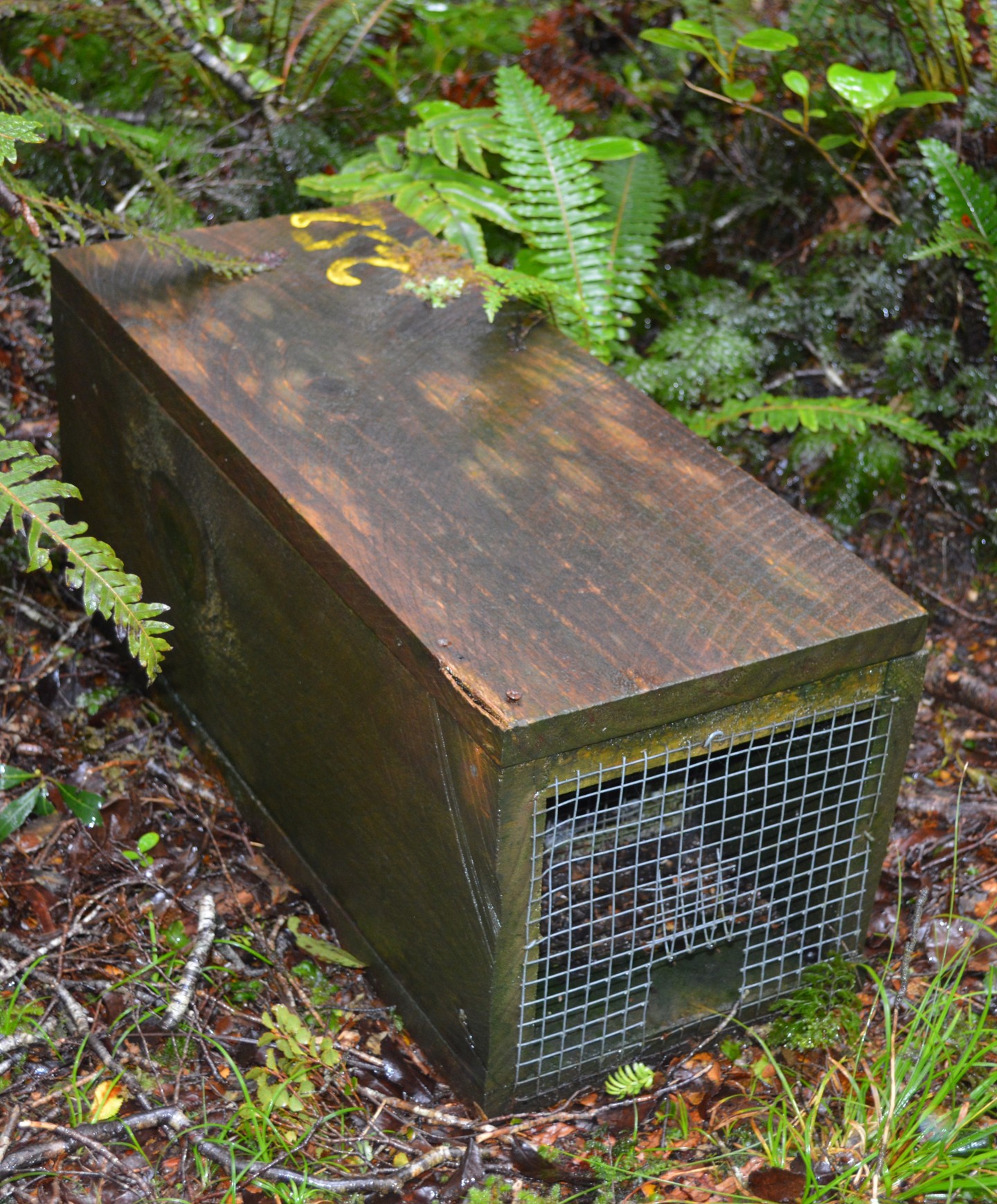
Trapping is an important part of biosecurity efforts.