19 August 2026
Regional Transport Planning & Public Transport Snapshot
Introduction
Transport is a priority for the regional sector and a critical enabler of regional prosperity, access, and resilience. Decisions made within the transport system have long-term implications for economic development, community wellbeing, and the ability of regions to respond to growth, climate, and fiscal pressures. Regional and Unitary authorities play a central role as system stewards, bridging national policy and funding settings, to enable local delivery.
Sector Responsibilities: Statutory Planning
Under the Land Transport Management Act 2003 (LTMA), Regional & Unitary Council’s must produce a:
Regional Land Transport Plan (RLTP)
- Prepared by the Regional Transport Committee (RTC) for approval by the Council
- Sets regional land transport objectives
- Contains policies and measures to achieve those objectives
- Identification of the region's transport priorities
- Coverage of at least 10 financial years
- Reviewed every 3 years
- Makes the strategic investment case for the region
- Details proposed activities (projects), funding requirements and funding sources
- Shows alignment with the Government Policy Statement on Land Transport
- Subject to formal consultation requirements
The RLTP is a region’s funding bid to Central Government. It must include all proposed transport projects within a region, from all agencies (Regional, Unitary, TLA, NZTA, DOC).
Regional Public Transport Plan (RLTP)
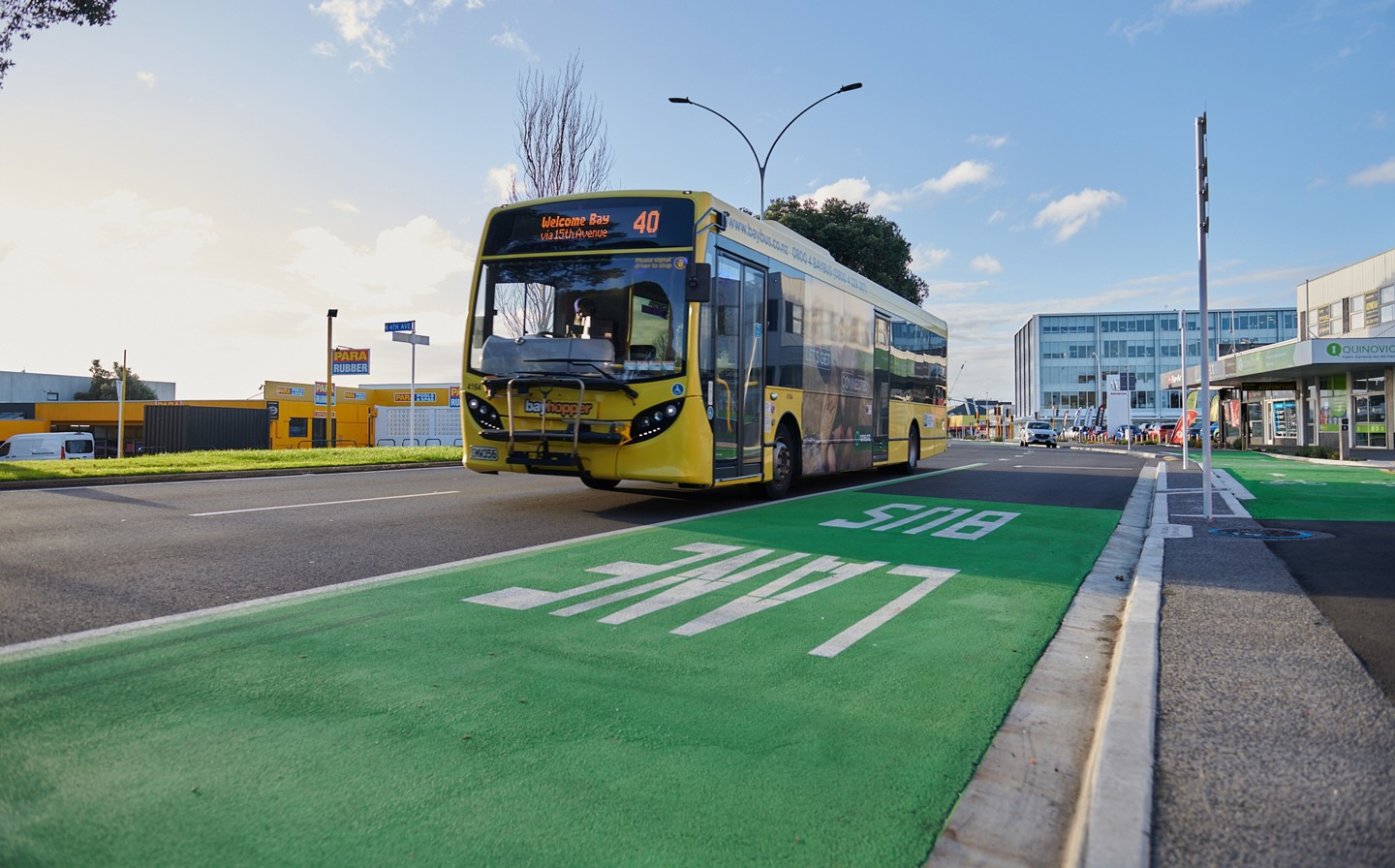
- Required by organisations that provide/operate/contract public transport services
- Encourages regional councils, territorial authorities and operators to work together to develop public transport services and infrastructure
- Provides a mechanism for public engagement on the design and operation of the public transport
- Explains how the region will give effect to the public transport component of the RLTP
- Must be reviewed and, if necessary, renewed or varied following approval or variation of the public transport components of the RLTP
- Subject to formal consultation requirements
The RPTP is the public transport service plan, setting out the network, fares, policies, infrastructure and investment priorities needed to deliver public transport over the next 3–10 years.
Regional Sector Influence: Reach and Scale
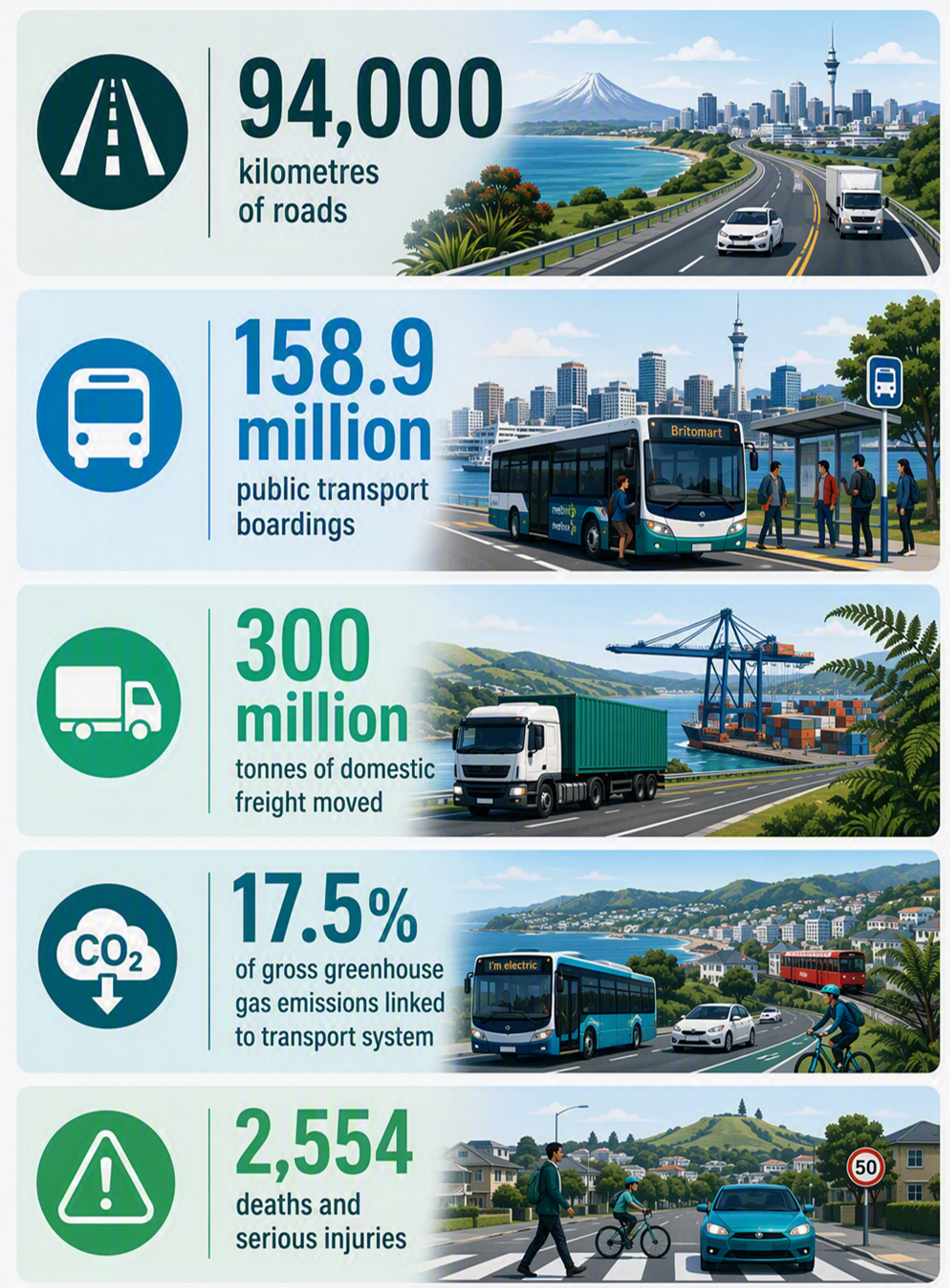
- 94,000 km of roads
- 158.9 million public transport boarding
- 300 million tonnes of domestic freight moved
- 17.5% of gross greenhouse gas emissions linked to transport system
- 2,554 deaths and serious injuries
Big Shifts
RMA Reform
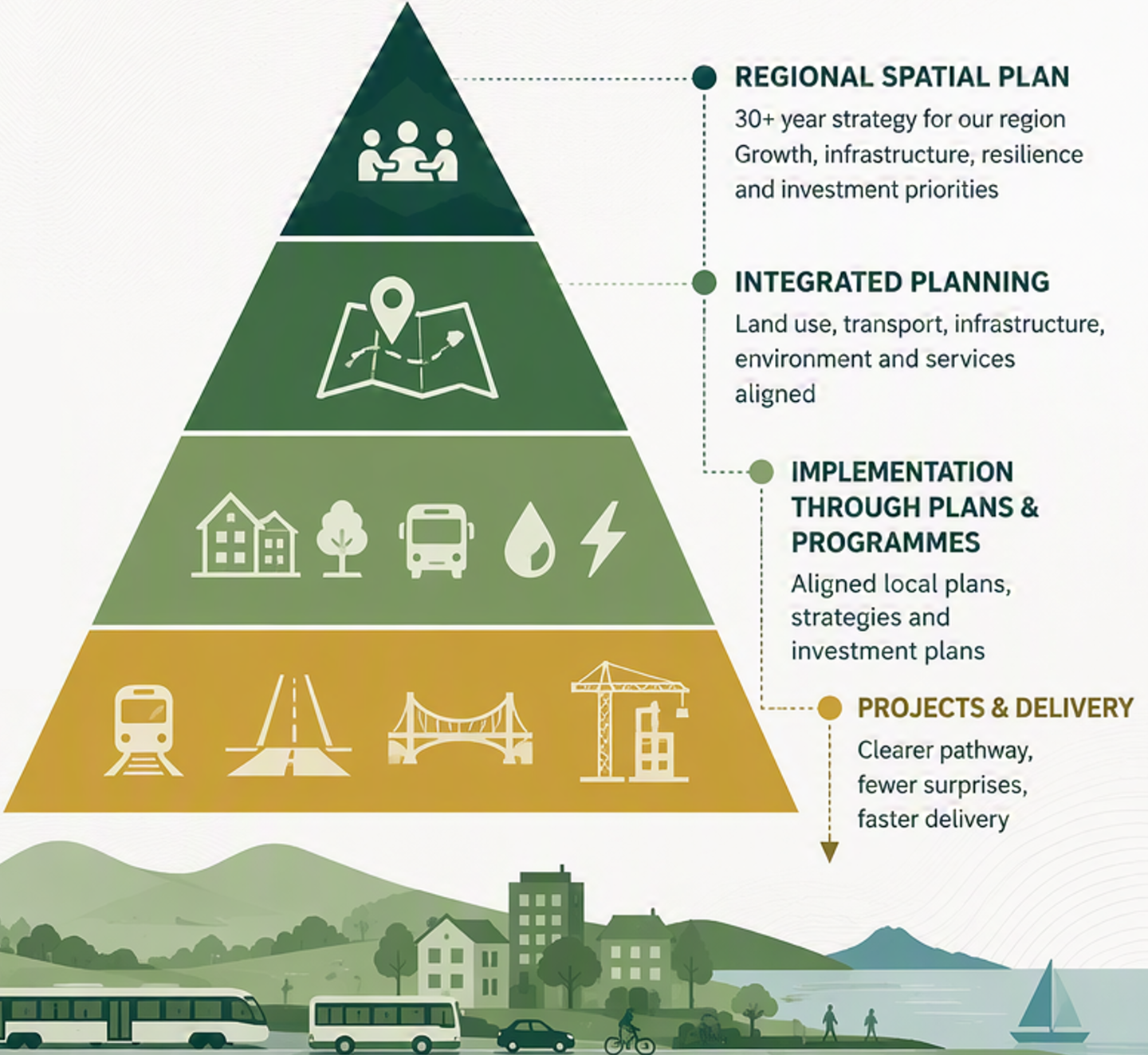
RLTPs will become subservient to Regional Spatial Plans
Under the current system transport issues are often worked through late. This is often at the time of consenting and in response to plan, after spatial choices may already have been made.
In the proposed system, more of the strategic direction is expected to be settled earlier. Transport planning therefore gets more opportunity to influence:
- Where growth goes
- How growth is sequenced
- Which corridors are protected
- Where public transport is essential
- Which infrastructure constraints need to be visible early
If the system is trying to make more decisions earlier, then transport cannot afford to be a late-stage respondent. We need to be part of shaping the spatial story.
Delivering a national integrated ticketing platform is a Ministerial priority. All PTAs are forecast to transition to NTS by the end of 2028.
Programme led by NZTA with significant sector input
Will deliver substantial system efficiency benefits, and unlock significant functionality to improve customer experience (e.g contactless payments, which are not currently offered by most PTAs).
Transport Special Interest Group (TSIG)
Introduction to TSIG
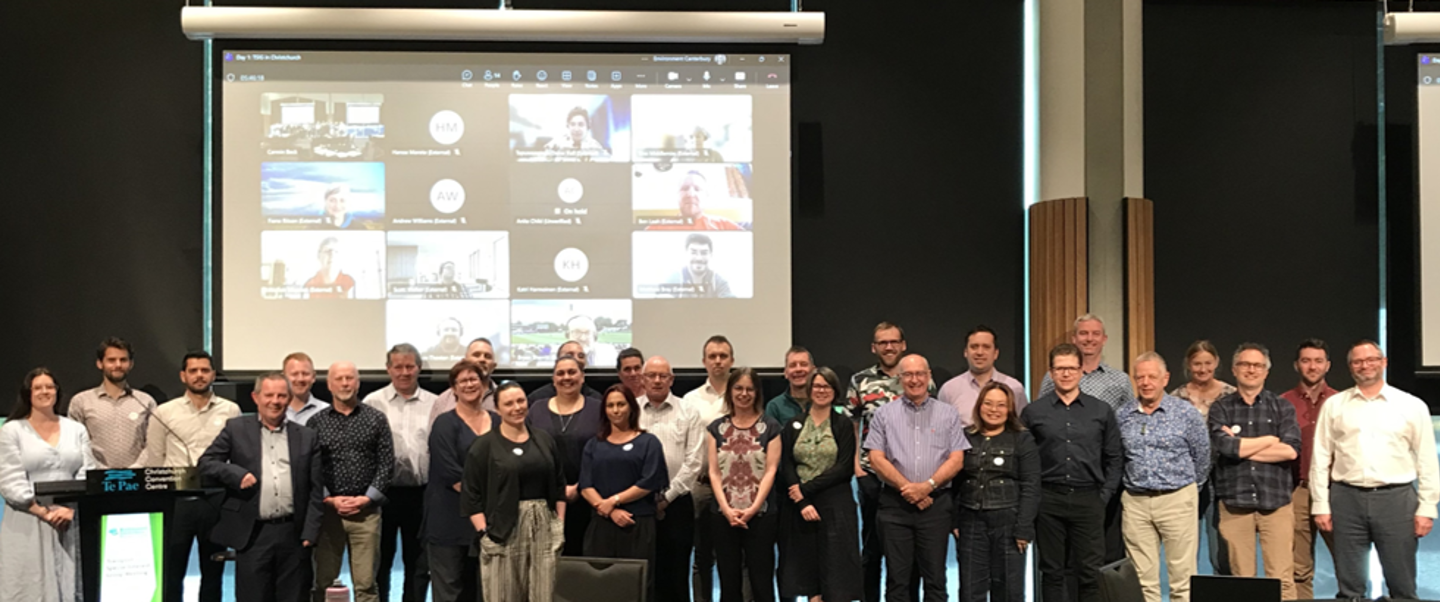
TSIG brings together an active community of over 150 regional and unitary staff.
The SIG is led by two convenors, and is structured around two overarching workstreams, Public Transport and Transport Strategy. Working groups are established under each workstream to engage with specific topics and/or deliverables. Recent working groups have focused on RMA reform, funding and procurement.
In addition to the CEO sponsors, SIG direction is supported and guided by the TSIG Oversight Group, comprised of several T2 managers from Councils of varying scale.
TSIG has 4 overarching pillars, which are outlined below.
Pillar 1: Research & Thought Leadership
TSIG takes a disciplined approach to research, prioritising practical, decision-ready insights that directly support the sector through change.
Examples of recent research:
- The Economic Benefits of Public Transport
- Opportunities for RLTP & Funding Reform
- PT Futures – potential post-LG Reform delivery models
Priority Actions:
- Identify transport sector research gaps
- Contribute to a sector research strategy
Pillar 2: Sector Development
TSIG takes an active role in developing sector skills, creating partnerships and fostering relationships
Examples of this include:
- Bi-annual sector conferences with a range of internal and external speakers, as well as collaborative workshops
- Strong working partnerships with NZTA, MOT (now MCERT) and the BCA
Priority Action:
Continue to invest in developing our people and relationships
Pillar 3: Submissions & Sector Advocacy
TSIG takes an active role assessing proposed changes to policy to understand sector implications and establish a unified position
Recent examples of this include
- Changes to immigration settings and the impact on foreign bus drivers
- Input into the Regional Sector Rates Capping Submission
- Land Transport Management (Time of Use Charging) Amendment Bill (including Select Committee presentation)
Priority Action:
Continue to assist the sector through submissions
Pillar 4: Sector Support
TSIG engages with sector issues to provide support, especially for smaller Councils
Recent examples of this include:
- NZTA Private Share targets
- RLTP development guidelines
- Local Government and RMA Reform
Connect with us:
- Oliver Haycock (BOPRC) – TSIG Convenor
- Emmet McElhatton (GWRC) – TSIG Convenor
- Phil King (WRC) – TSIG Oversight Group Chair