02 April 2026
From education to enforcement: Report shows Councils addressing environmental harm
The recently released Te Uru Kahika Compliance Monitoring and Enforcement (CME) Metrics Report 2024/2025 shows increasing enforcement action from Aotearoa New Zealand’s 16 regional and unitary councils, but enforcement is only one part of the picture as Councils work hard to educate, engage and enable compliance.
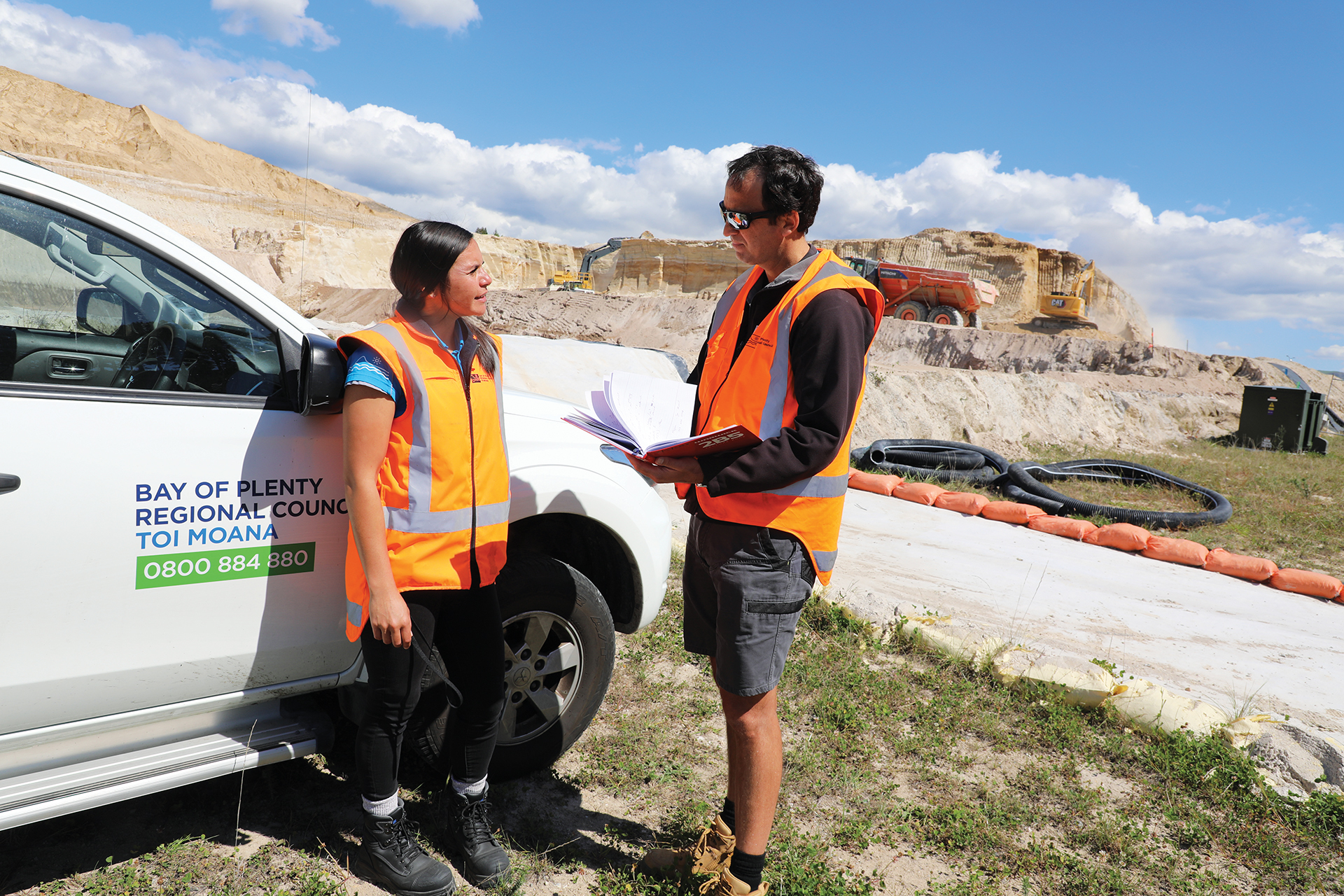
Trudy Richards, Te Uru Kahika CME Special Interest Group Co-convenor and Compliance Team Leader at Bay of Plenty Regional Council, said the 2024/25 report shows the regional sector continuing to deliver on their responsibilities to look after land, water and air resources.
“Councils are committed to good compliance and enforcement work and have a range of tools available to help achieve positive environmental outcomes.
“The 2024/25 CME Metrics Report presents a snapshot of growing efforts across compliance, monitoring and enforcement. It reports a total of 7,576 enforcement actions by councils in response to non-compliance in the year ending 30 June 2025. This is a 16% increase and includes formal warnings, abatement notices, infringement notices, and enforcement orders,” said Ms Richards.
In addition, at the time of reporting there were 82 prosecutions in progress nationwide, with 56 concluded in the 2024/25 year. The concluded prosecutions resulted in 156 convictions and total fines of $3,108,157 being imposed by the Courts.
“These annual reports are an important way for councils to track the monitoring and enforcement work we do under the resource management system and to be accountable to the communities we serve.
“However, what hasn’t been well represented in the CME reports in the past is the huge effort our regional and unitary councils dedicate to educating and enabling our communities to be compliant. This year we have included case studies to begin to show this bigger picture of CME work. The case studies highlight how we help people achieve compliance without having to resort to using the big stick of enforcement,” said Ms Richards.
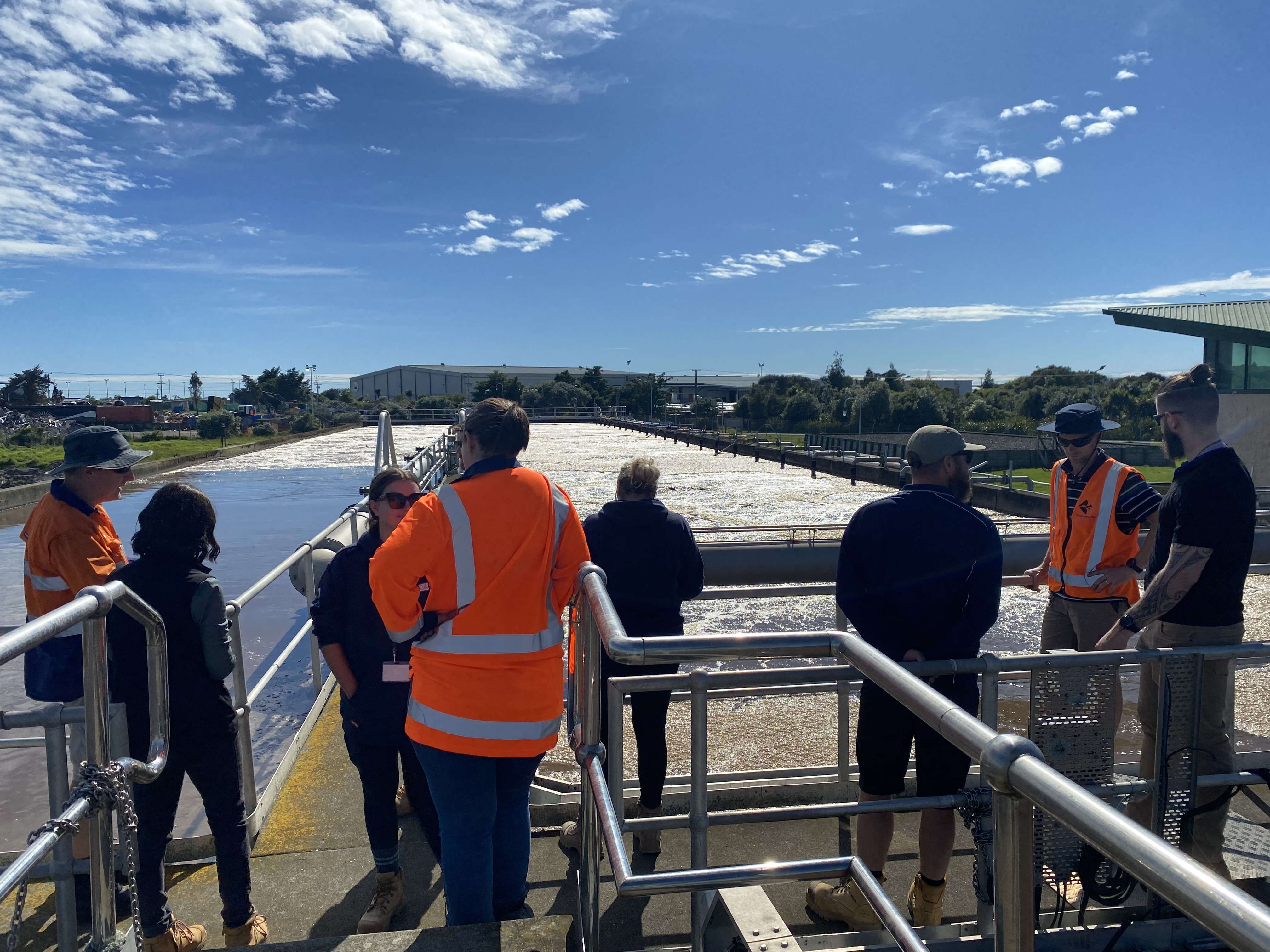
Council teams regularly deploy education and enablement tools. The case studies cover topics from collaborative monitoring to winery wastewater and geospatial land change monitoring tools.
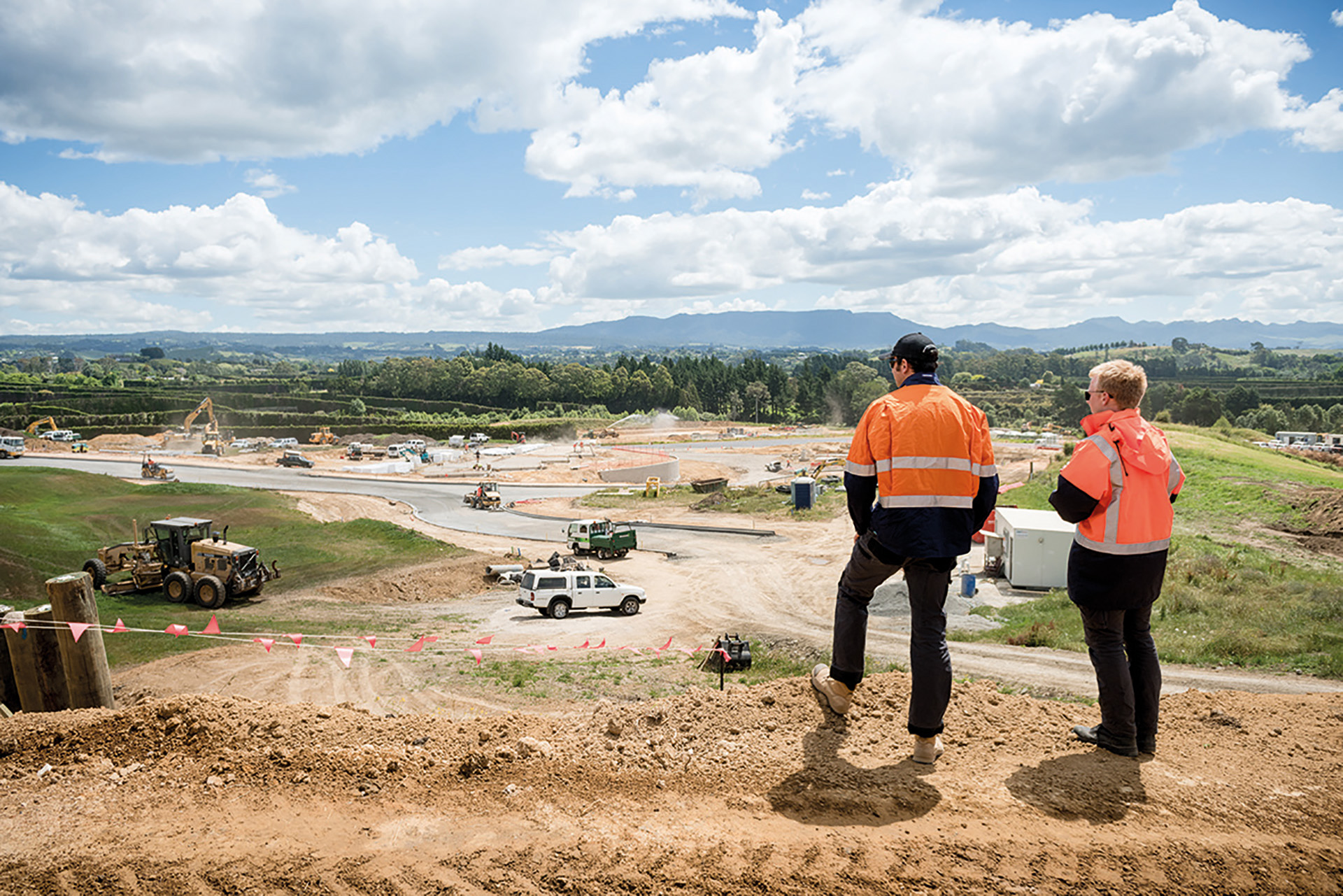
CME teams across all regional and unitary councils monitored 75% of the resource consents that require oversight (over 76,000 consents). Of these consents, full compliance was reported for 73% of inspections carried out by regional councils and 56% of inspections undertaken by unitary councils.
Te Uru Kahika Resource Management Reform Director Al Cross celebrates the open reporting developed by CME teams.
“This kind of reporting is an exemplar of transparency from regional government and really shows the benefit of working together with consent holders, lifting standards of service delivery, while improving outcomes for regional communities and their environments,” said Mr Cross.
In August 2025, nationwide changes were introduced by central government to strengthen and streamline compliance and enforcement delivery. More changes are signalled in the new Natural Environment and Planning Bills.
“It’s pleasing to see the focus on CME function in the Natural Environment and Planning Bills. We support strengthening the role of regional government to protect the environment and deter non-compliance,” said Mr Cross.
Ms Richards highlighted the high calibre of CME teams working amongst their communities.
“I’m proud of the dedicated CME teams across the country who are out there every day working for better community outcomes and helping users of environmental resources to be compliant.
“Their high integrity and strong values are central to great quality compliance and enforcement work, and better results for our environment,” said Ms Richards.
ENDS
Media Contact: Nicole Taber | nicole.taber@teurukahika.govt.nz | 022 100 2422