25 November 2025
Local government changes must deliver better outcomes
The Government today announced its proposal for an alternative model of local government. The Regional Government Partnership - Te Uru Kahika is calling for central Government to make good on their commitment of meaningful engagement and meet with regional government without delay for outcomes-focused conversations.
Speaking on behalf of Te Uru Kahika, Chair of Canterbury Regional Council Dr Deon Swiggs agreed this is a once-in-a-generation opportunity to address long-standing challenges in local public service and is concerned the current proposal will destabilise local government rather than strengthen it.
"We must take this opportunity to get material changes for local government that will improve our country’s outcomes, while minimising disruption at a time of substantial reform and monetary pressure," said Chair Swiggs.
He acknowledged the desire to streamline local government processes but said there are alternatives to the proposal that can deliver greater benefits for communities and the economy.
“New Zealand’s rural and urban communities, along with our natural resources, face growing threats from extreme weather, biosecurity risks, pollution, and water scarcity.
“Regional government plays a critical role in reducing these risks by building flood resilience, supporting the productive economy, and protecting what makes our country special. It’s vital we get the future model for delivering these responsibilities right.
“There must be democratic accountability for regional decision-making that affects people’s lives and livelihoods, combined with expertise, appropriate resourcing, and local knowledge.
“We’ve been operating under an unsustainable system and calling for change for years.“
Councils have done a lot of work looking at how we can get the best outcomes for people and places through different models. We will be reconsidering the possibilities in detail once we see the Government’s Resource Management Act replacement bills next month" said Chair Swiggs.
"Much of the complexity in local government stems from the legislation we operate under.
“This Government recognises the challenges that councils face, alongside other New Zealanders, as we try to get the best outcomes while complying with the outdated RMA.
“Some of the regional council work I’m proudest of has been delivered through partnerships in catchments with communities. It’s exciting to imagine what we can achieve with enabling and well implemented legislation," said Chair Swiggs.
Regional and unitary councils have already taken steps to modernise by reducing costs and complexity through shared services. This includes sharing staff to help make communities safer from floods, integrated information systems for public transport and environmental data management, and joint pest management services.
These shared services deliver better value for ratepayers. Councils will bring this experience to their engagement with central government.
The consultation period on the Government’s proposal runs from now until 20 February 2026.
"We’re energised for conversations with central government, mana whenua, industry, and communities about the changes required to deliver for our regions.
"We’ll keep working hard for our regions and approach this consultation in good faith, focused on achieving the best outcomes for New Zealanders and the country we are blessed to call home,” said Chair Swiggs.


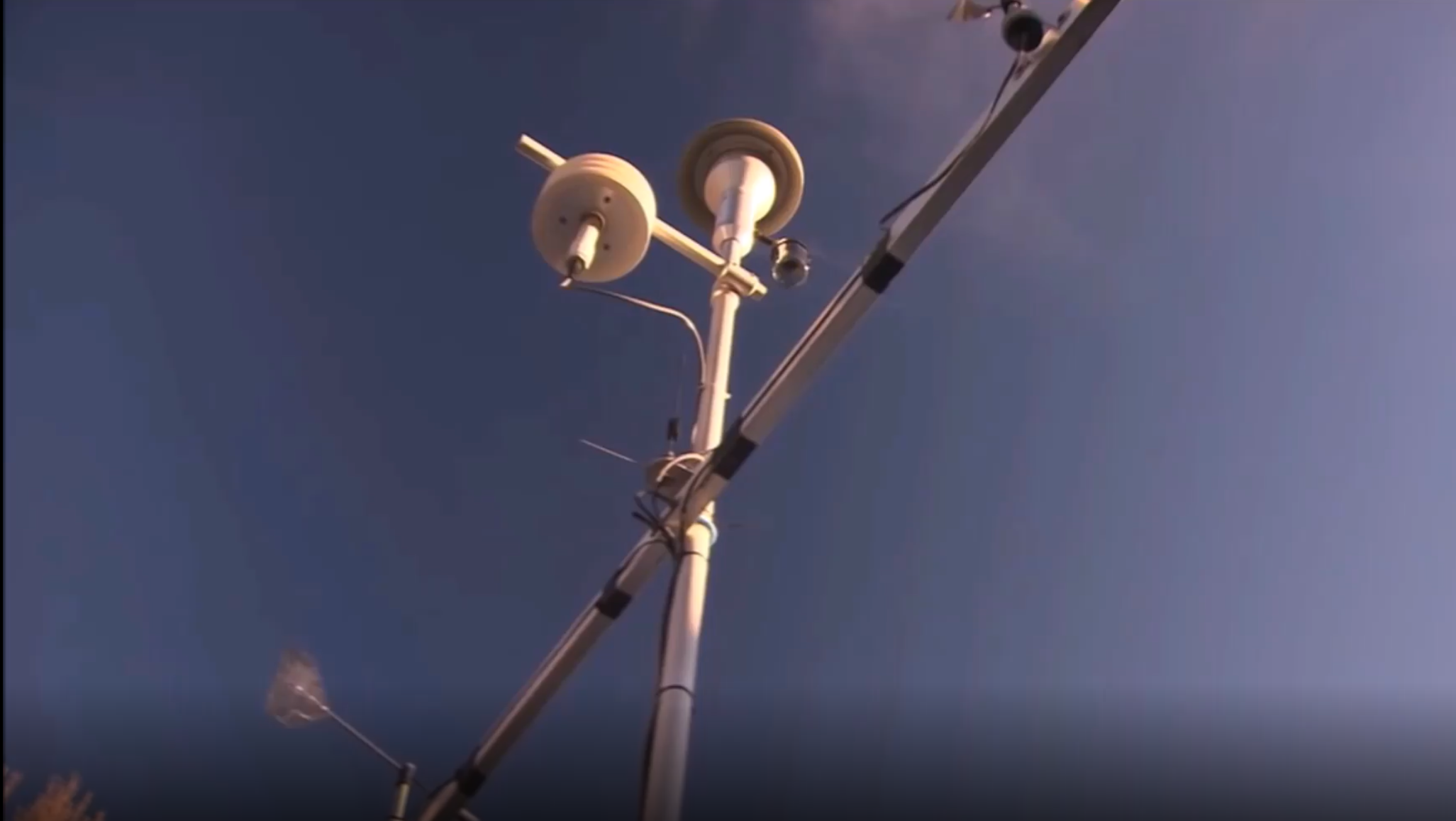
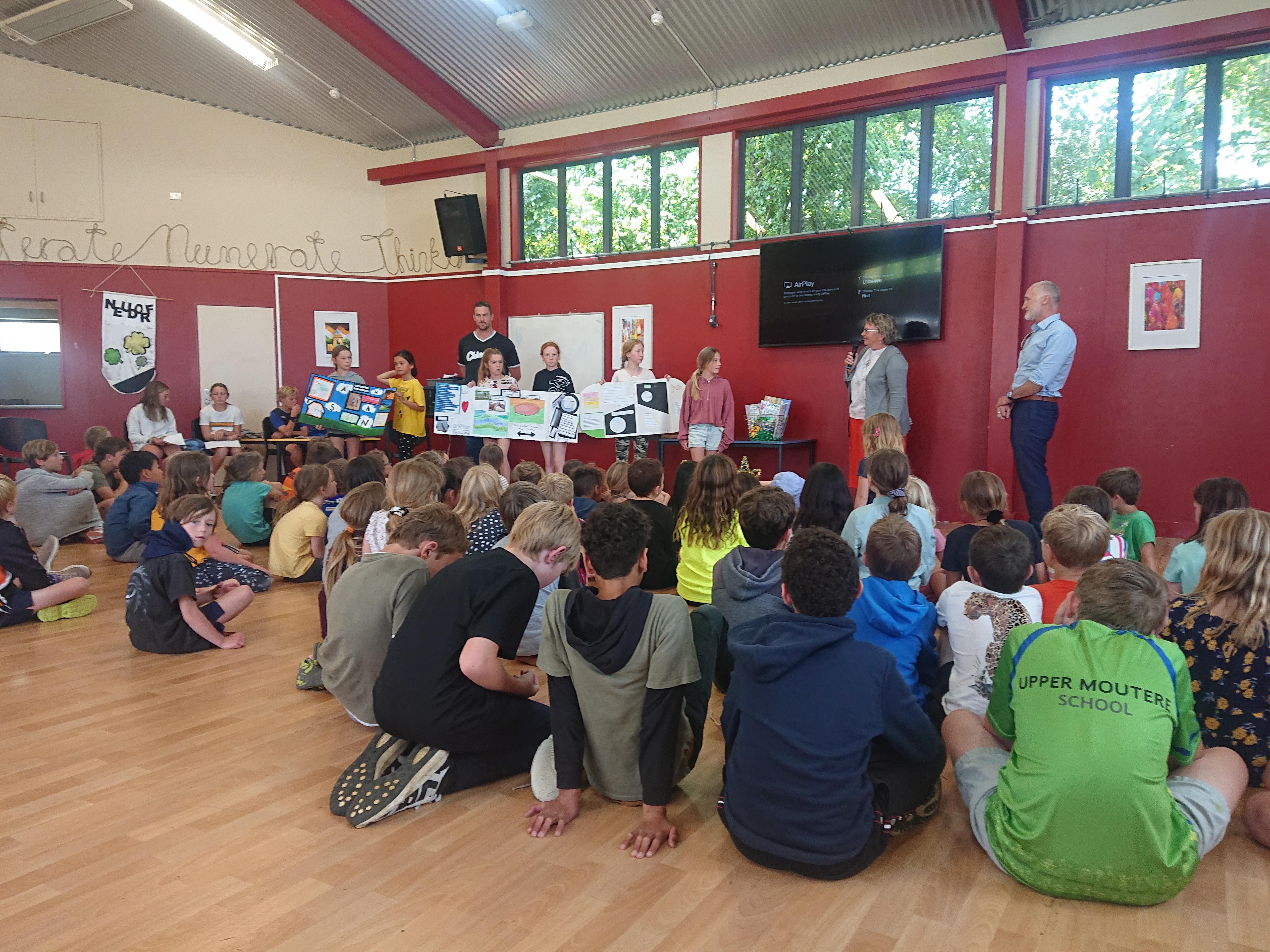
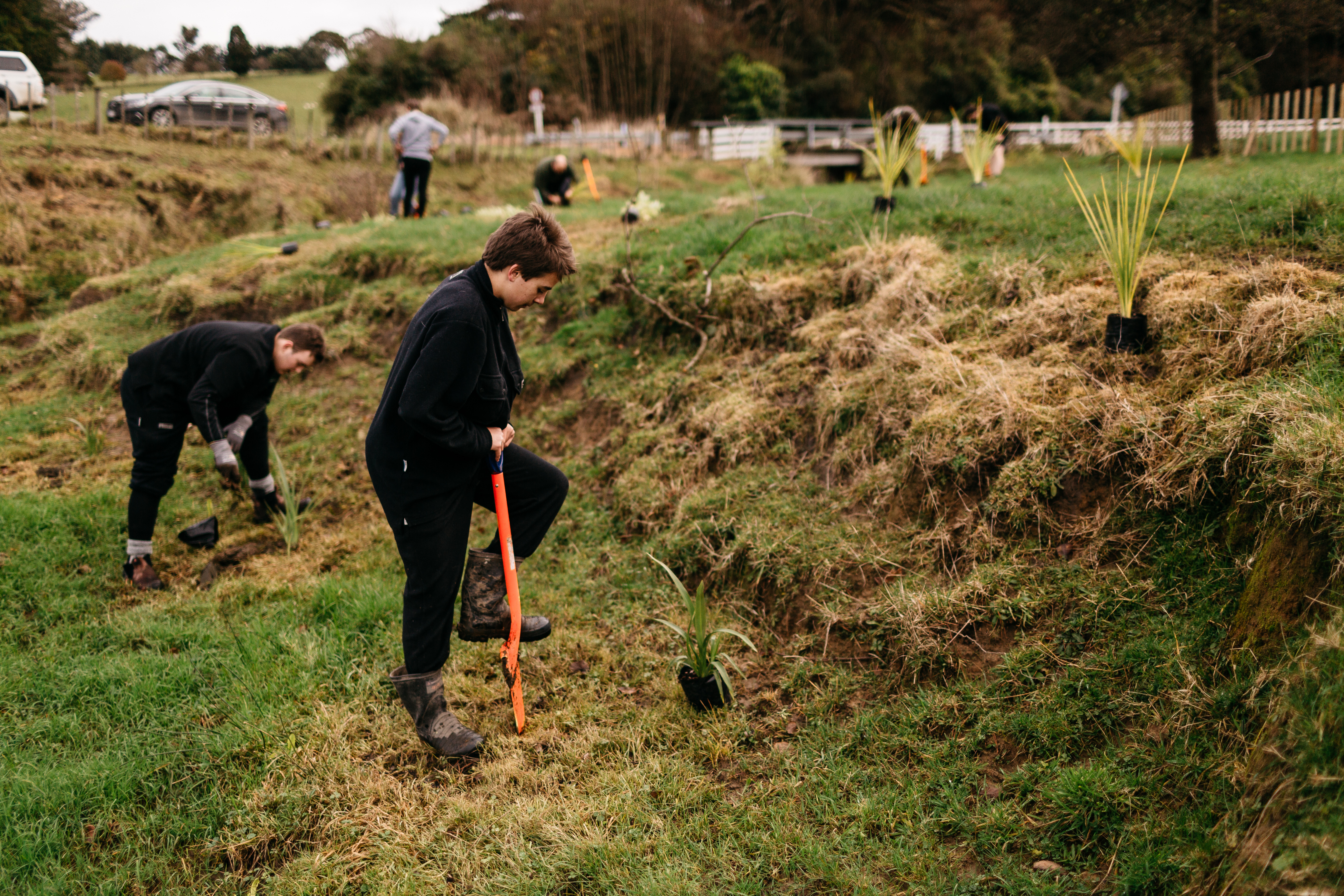
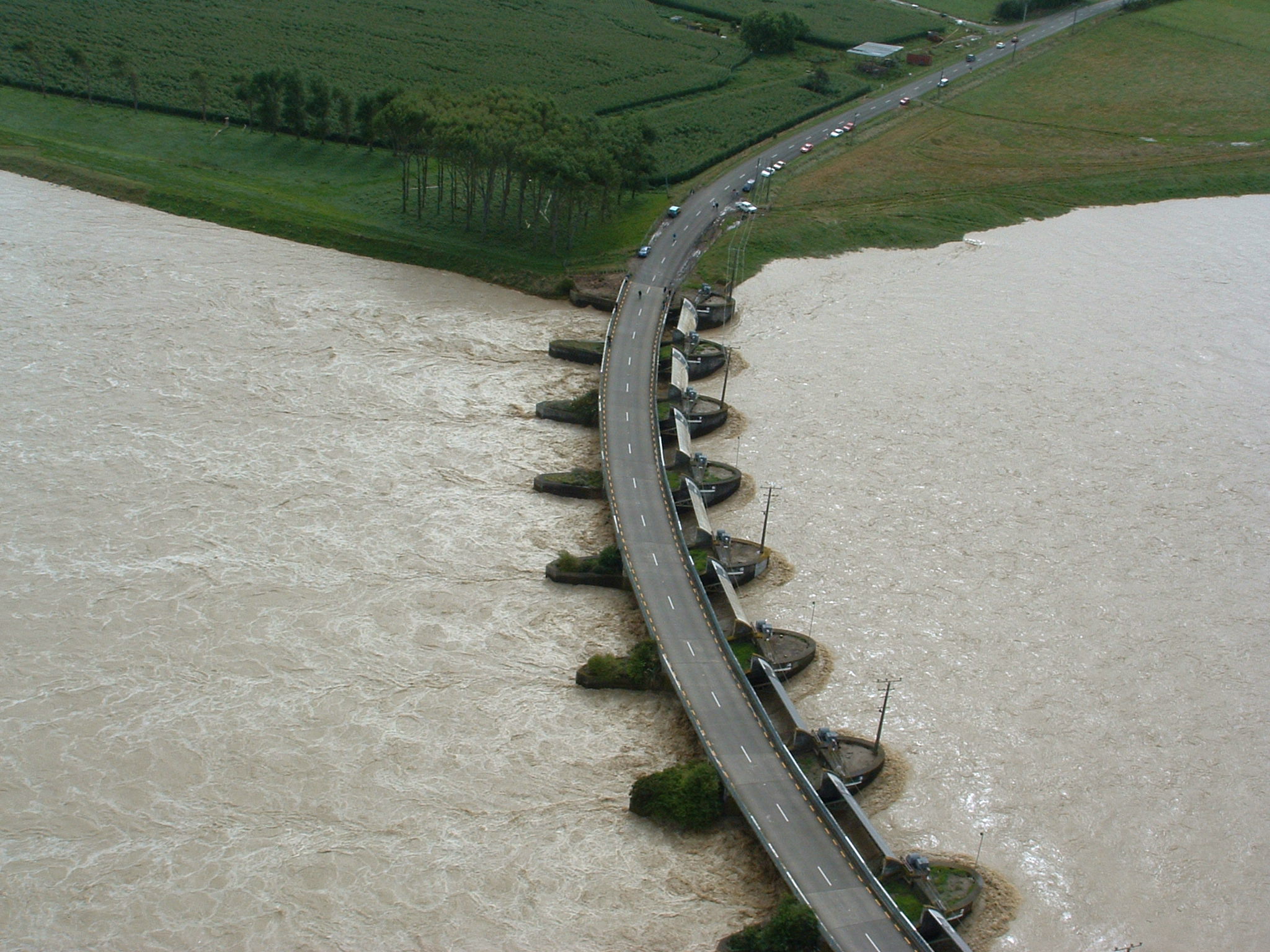
There are two sets of local government responsibilities in New Zealand that can be broadly understood as regional functions and territorial functions.
These functions are largely directed by rules in central government legislation such as the Resource Management Act (RMA), Local Government Act, and Soil Conservation and Rivers Control Act.